Three different things, one phrase
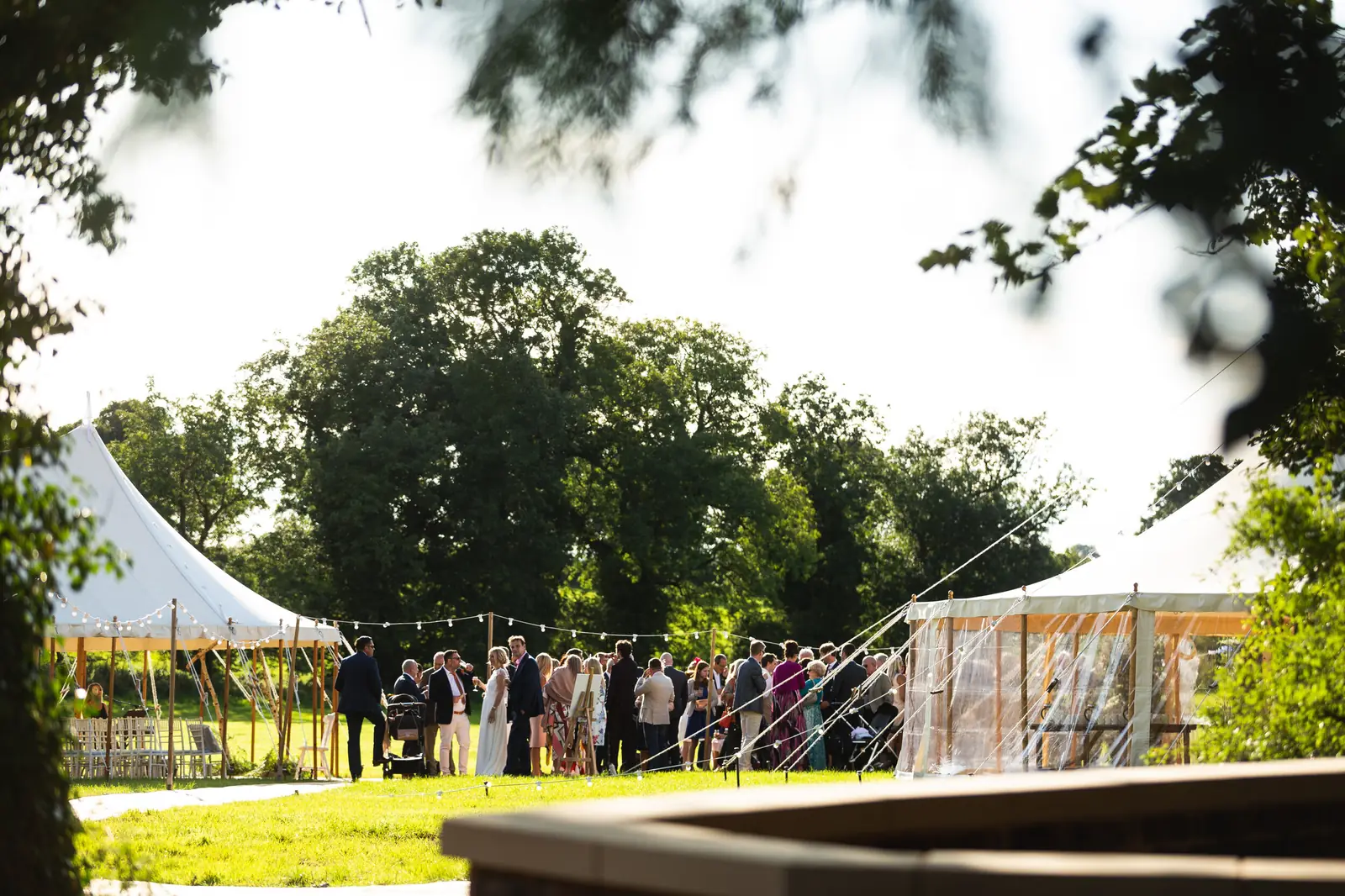
"Marquee" on a wedding listing usually means one of three things. The venue owns one, and it's already in the hire price. The venue has room for one and will put you in touch with a supplier, at a separate cost that can run into several thousand pounds. Or the venue means something else entirely, a stretch tent, a tipi, a permanent covered structure, and is using "marquee" loosely because that's the word most hirers type into a search box.
None of those is wrong. They're just not interchangeable when you're building a budget. Ask the venue which one actually applies before you treat the marquee as settled.
Who owns the marquee, and who is responsible for it
If the venue owns the marquee, ask who puts it up, how many days before the wedding it goes up, and who's responsible for it in high wind. If you're sourcing your own, ask whether the venue has a preferred supplier list or lets you pick, and whether there's a site plan showing exactly where a marquee can be pitched, including distance from trees, overhead cables and the main building.
What the marquee actually covers
Ask for the marquee's footprint and seated capacity against your actual guest count, not a generic "seats up to 150" line that assumes one particular table layout. Ask whether it covers the full event, meal and dancing included, or just one part of the day, with guests shuffling outside or into a smaller indoor space for the rest. A marquee that covers the wedding breakfast but not the evening reception is not full wet-weather cover. It's half of it.
Ground, access and the delivery window
A marquee or stretch tent needs flat, dry, obstruction-free ground and a delivery vehicle big enough to actually reach it, not just get close. Ask how many days of access the supplier gets before and after the wedding; most structures need at least a day to go up and a day to come down. Ask what happens if the ground is too wet on the install date. That's a real risk on a working field in a wet autumn, much less of one on a barn's hard standing.
A marquee brochure photo is almost always taken in good light with no wind. Ask to see the site plan, not just the finished photo, and check it against the route your supplier's van will actually have to use.
The alternative: a venue with no structure at all
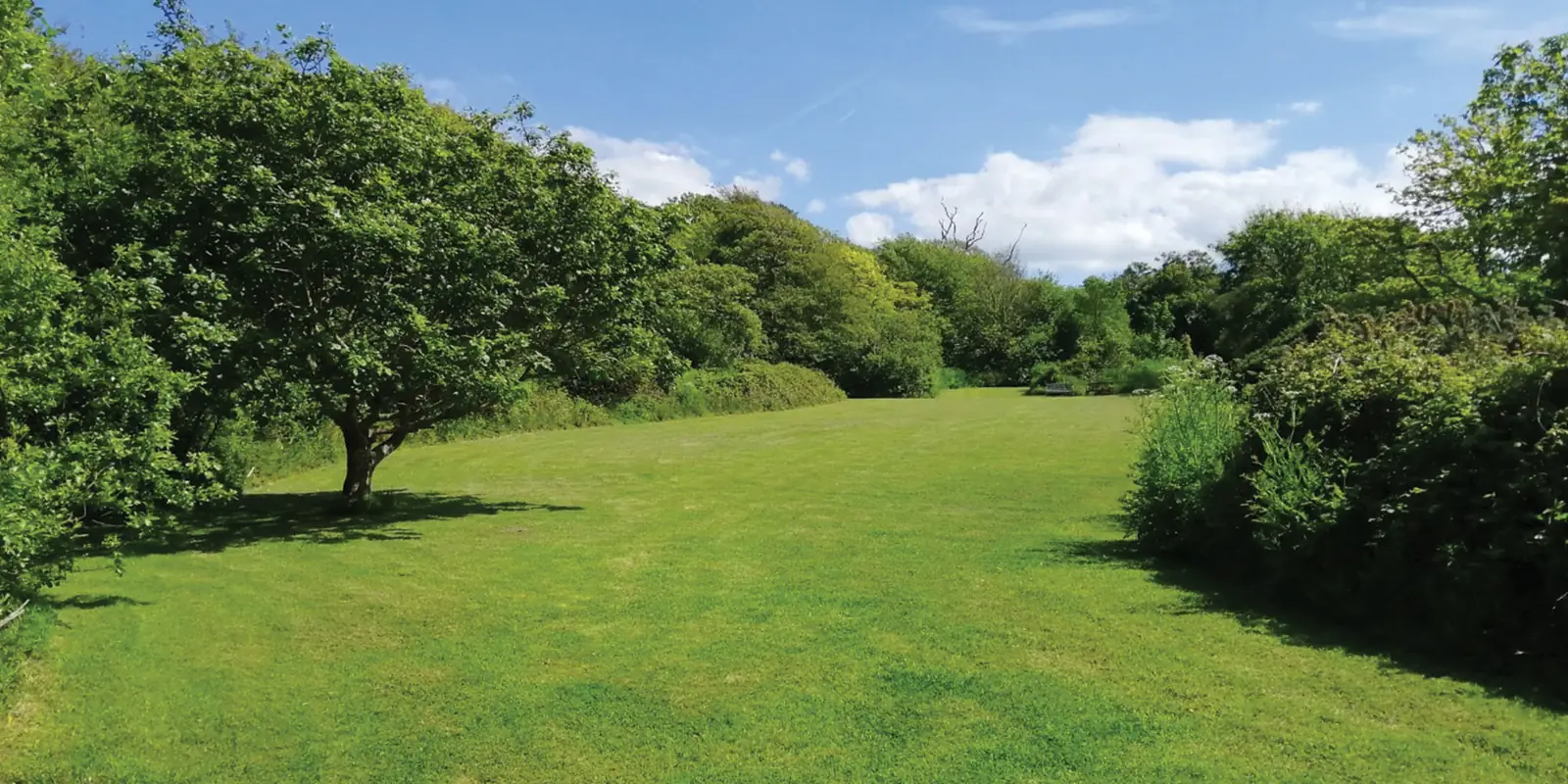
Some venues on Field and Venue have no marquee of their own and no stated wet-weather plan at all. That's not automatically a problem; it just means you're in charge of the whole structure decision yourself, and pricing in a stretch tent or marquee hire from scratch. Factor that cost in before you compare a headline hire price against a venue that already includes one.
Checklist before you book
- Does the venue own the marquee, or are we sourcing our own?
- What is the marquee's seated capacity against our actual guest count?
- Does it cover the whole day, or just the ceremony or the meal?
- How many days of access does the supplier get, before and after?
- What happens if the ground is too wet to install on the planned date?
- Is there a site plan showing exactly where it can be pitched?
- Who is responsible for the structure if the weather turns on the day?
Of 303 public venue listings on Field and Venue, 67 have sourced, dated evidence of a marquee on their own website, cited on the venue's own page. If a listing doesn't show that evidence, ask the venue directly rather than assuming either way.
Compare marquee-ready venues on outdoor wedding venues or a bare field for hire if you'd rather bring your own structure, then put the finished quote through the dry hire comparison guide.